
Problem-solving
Furnace Making a Strange Noise? What Each Sound Means
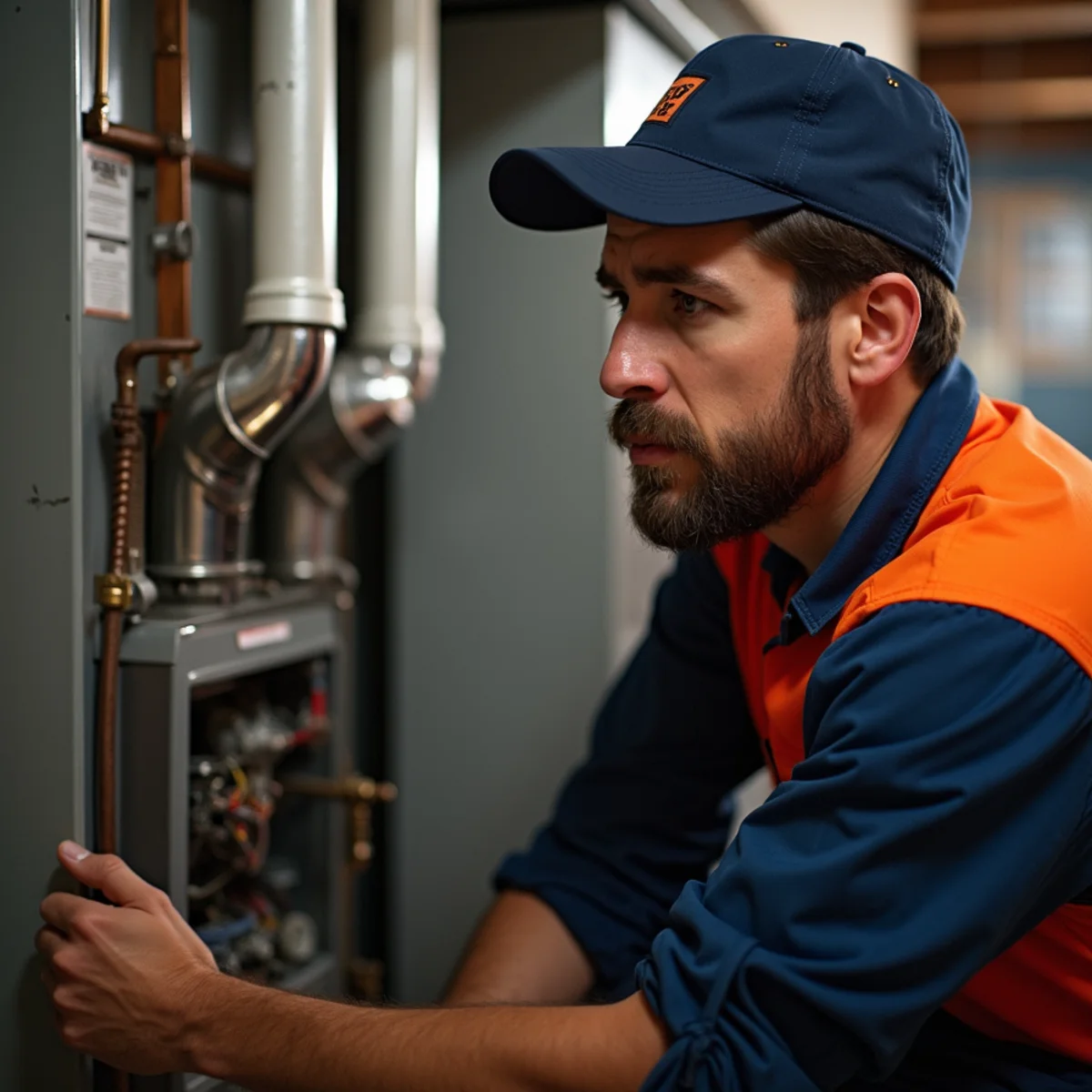
A furnace in good health runs with a steady, unremarkable hum. When it starts making a new noise, it is telling you something — and the type of sound is a surprisingly good clue to what is wrong. Some noises are minor and cheap to fix; a couple are genuine safety concerns you should not ignore. Here is how to read what your furnace is saying.
A loud boom or bang when the furnace lights, especially if you also smell gas, can mean gas is building up before ignition — a safety issue. If you ever smell gas, leave the home and call 911 or your gas utility first, then call us.
Banging or booming on startup
A single loud bang or boom when the furnace kicks on often means delayed ignition — gas accumulates for a moment before it lights, then ignites all at once. That can be caused by dirty burners, a weak igniter, or gas-pressure issues, and it is not something to live with, because repeated small explosions stress the heat exchanger. A softer bang in the ductwork as the system starts and stops is usually just metal ducts expanding — annoying but harmless. If you are not sure which you are hearing, have it checked.
Screeching or squealing
A high-pitched screech or squeal usually comes from the blower motor — a failing bearing, or on older units a slipped or worn belt. Ignored, a bad blower bearing eventually seizes and leaves you with no airflow and no heat. This is a common furnace repair and much cheaper to address before the motor fails outright.
Rattling, buzzing, or humming
A rattle is often something loose — a panel that is not seated, loose ductwork, or a component working free. A persistent electrical buzz or hum can point to a failing capacitor, a transformer, or a motor drawing wrong. Loose panels are simple; electrical noises deserve a look before they turn into a no-start.
Grinding, clicking, and scraping
Grinding or metal-on-metal scraping suggests motor bearings that are failing or a blower wheel hitting its housing — shut the system down and call before it does more damage. Repeated clicking at startup with no ignition often means the igniter or flame sensor is failing, which is exactly the kind of fault behind many no-heat calls.
| Sound | Likely cause | Urgency |
|---|---|---|
| Boom/bang at ignition | Delayed ignition — dirty burners/igniter | High — get it checked |
| Screech/squeal | Blower motor bearing or belt | Medium — fix before it fails |
| Rattle/buzz | Loose panel or electrical part | Low–medium |
| Grinding/scraping | Failing bearings or blower wheel | High — shut off, call |
| Repeated clicking, no start | Igniter or flame sensor | Medium — needs diagnosis |
When to call
Rule of thumb: a soft expansion tick in the ducts is normal; anything loud, new, mechanical, or paired with a performance problem is worth a diagnosis. Booms at ignition and grinding are the two to act on quickly — one is a safety concern, the other is about to break something. When in doubt, call (831) 461-3437 and describe the sound; it often tells us what to bring.
The bottom line
New furnace noises are the system asking for attention. Screeches and rattles are usually affordable fixes caught early; booms at ignition and grinding need prompt attention. Do not wait for the noise to become a no-heat call in January — a quick repair now is cheaper and safer.
Frequently asked questions
Need a Pittsburgh HVAC pro?
Same-day service · 24/7 emergencies · honest pricing