
Cost & Planning
How Long Does a Furnace Last in Pittsburgh? Repair vs. Replace
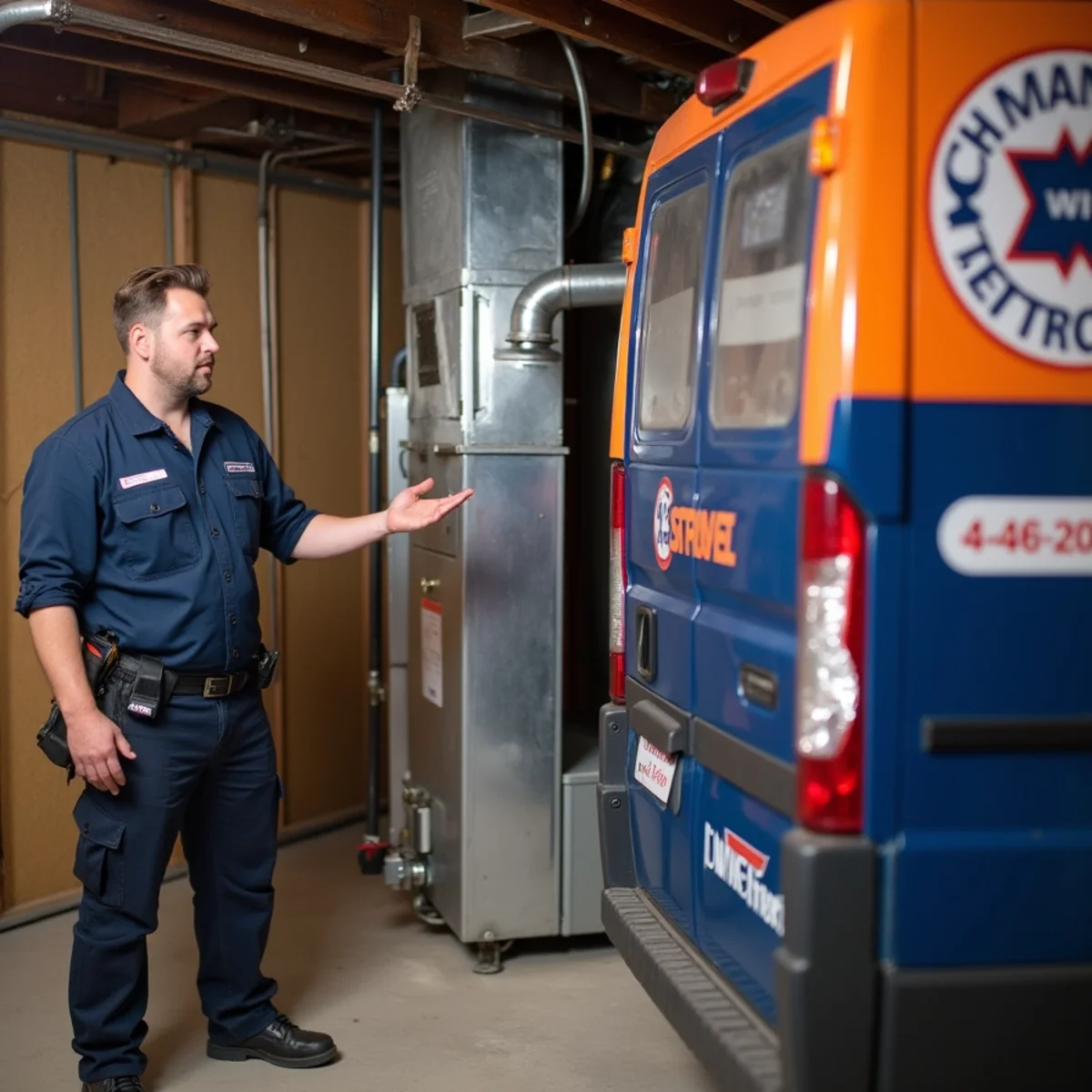
A gas furnace is one of the longest-lived systems in your house — but it is not forever, and knowing where yours stands helps you plan instead of getting surprised by a no-heat call in January. In Pittsburgh, a well-maintained furnace typically lasts about 15 to 20 years. Here is what pushes it toward one end of that range, the signs it is getting close, and how to make the repair-versus-replace call honestly.
What determines how long a furnace lasts
Three things move the needle most. Maintenance is the biggest: a furnace that gets an annual tune-up — flame sensor cleaned, combustion checked, heat exchanger inspected — routinely outlasts one that is ignored. Correct sizing matters too; an oversized furnace short-cycles and wears out faster. And run time counts — hard Pittsburgh winters simply put more hours on the equipment. A neglected, oversized furnace might struggle at 12 years; a well-kept, right-sized one can push past 20.
Signs your furnace is nearing the end
- It is 15+ years old and now facing a major repair
- Breakdowns are becoming more frequent, and the repair bills add up
- Heating bills climb each winter as efficiency slips
- Some rooms never get comfortable no matter what you do
- A cracked heat exchanger or an unsafe combustion problem is found
- Parts for your model are discontinued or hard to source
A cracked heat exchanger is the one finding that ends the conversation — it is a carbon monoxide risk and generally means replacement, not repair. We show you the evidence when we find one.
The repair-vs-replace math
A useful rule of thumb: if the repair costs more than about a third of a new furnace and the unit is past 12–15 years, replacement usually wins. A newer furnace with an isolated, affordable failure — an igniter, a flame sensor, a capacitor — is almost always worth repairing. The honest decision weighs the repair cost against the furnace’s remaining life, its efficiency, and whether it still passes safety checks. We lay both paths out with real numbers rather than defaulting to the bigger ticket.
| Situation | Lean repair | Lean replace |
|---|---|---|
| Age | Under ~12 years | 15+ years |
| Failed part | Igniter, sensor, capacitor | Heat exchanger, control + more |
| Repair cost | Small fraction of new | >~⅓ of a new furnace |
| Reliability | First real issue | Repeat breakdowns |
| Safety | Passes checks | Cracked heat exchanger |
Planning ahead beats an emergency
The best time to replace a furnace is on your terms — in the shoulder season, with time to compare options and financing — not during the first hard freeze when it quits. If yours is in that 15-plus range, it is worth getting a replacement evaluation before winter so you are choosing, not scrambling. Published Pittsburgh furnace replacement runs roughly $3,500–$5,800 for planning context; our furnace cost guide breaks that down.
The bottom line
Expect 15–20 years from a well-maintained Pittsburgh furnace. Repair when the failure is isolated and the unit is sound; replace when it is old, unsafe, or piling up repairs. Not sure where yours stands? Call (831) 461-3437 and we will give you an honest read.
Frequently asked questions
Need a Pittsburgh HVAC pro?
Same-day service · 24/7 emergencies · honest pricing