
Problem-solving
Why Your Old Pittsburgh Home's Boiler Keeps Failing
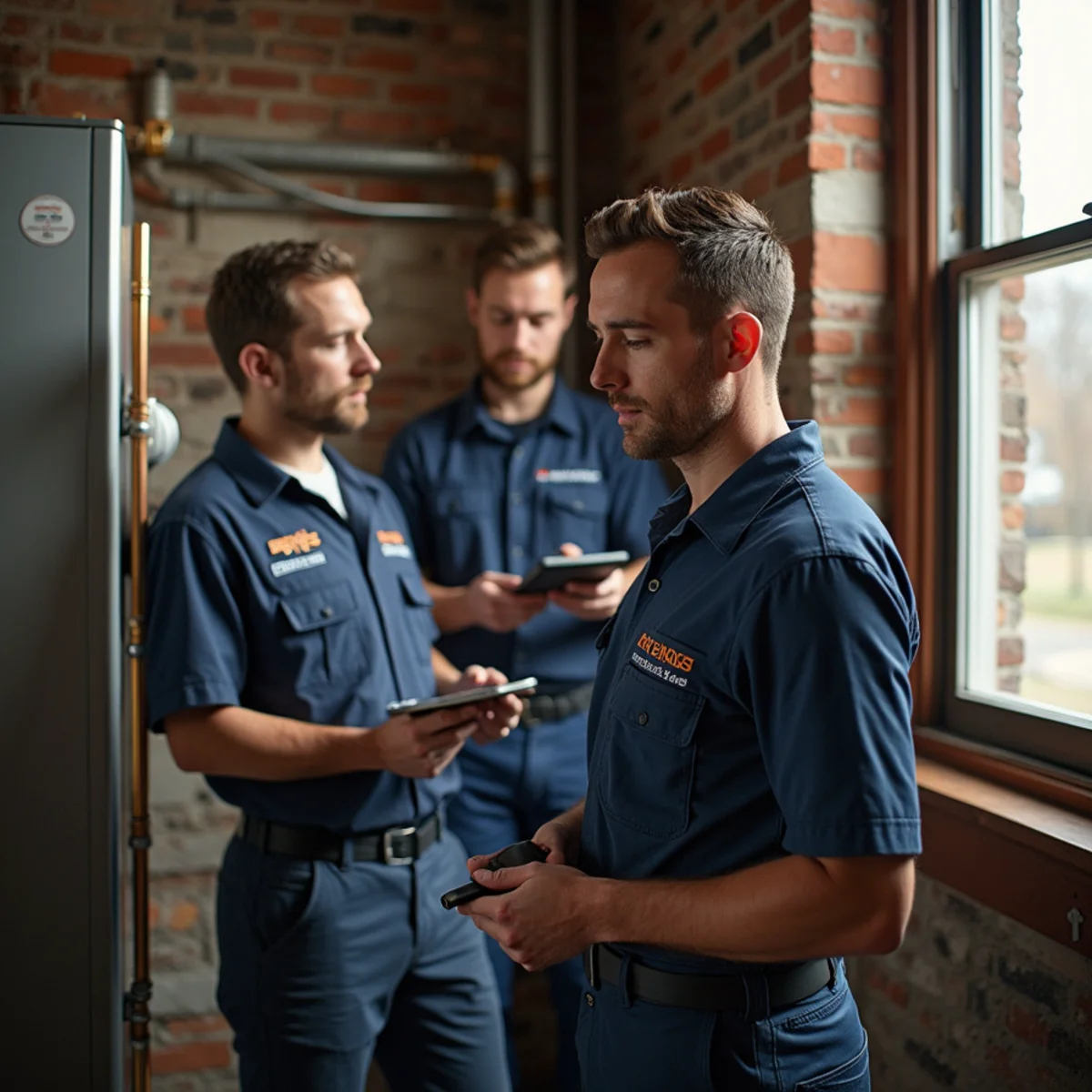
Pittsburgh has some of the finest old housing stock in the country, and a lot of it heats with boilers and radiators. That system is comfortable and long-lived — but when a boiler is decades old, problems start to repeat. Here are the culprits we see most, and how to think about repairing versus replacing.
The recurring problems
Low or dropping pressure
A hot-water boiler needs proper pressure to circulate. Pressure that keeps dropping usually means a small leak somewhere in the loop, a failing pressure-reducing valve, or a waterlogged expansion tank. Topping it off repeatedly treats the symptom, not the cause.
Circulator pump failures
The circulator moves hot water to your radiators. When it fails or seizes, the boiler runs but rooms stay cold. Older pumps and their bearings wear out, and a failing one often gets noisy before it quits.
Air in the system
Trapped air keeps water from filling the radiators, so some rooms heat and others do not. It often needs bleeding and, if it keeps returning, points to a leak drawing air in.
Aging controls and ignition
Aquastats, zone valves, and ignition components all age. On steam systems, the low-water cutoff and pressuretrol are common failure points. These are usually repairable, but on a very old boiler they start failing in sequence.
Repair or replace?
A single isolated failure on an otherwise sound boiler is worth repairing. Consider replacement when:
- Repairs are stacking up year after year
- The heat exchanger or boiler block is cracked or leaking
- Efficiency is poor and fuel bills keep climbing
- Parts for the unit are getting hard to source
The good news is that a modern high-efficiency boiler can keep the even, quiet comfort of your radiators while using far less fuel. A proper boiler replacement sizes the new unit to your existing distribution, so you are not re-plumbing the house — you are upgrading the heart of the system.
Keep it running with maintenance
Annual HVAC maintenance catches pressure, pump, and control problems before they leave you cold, and it is far cheaper than a mid-winter emergency. We service the boilers in historic neighborhoods like Mount Lebanon and Bellevue every heating season.
If your old boiler keeps acting up, call (831) 461-3437 and we will give you an honest read on repair versus replacement.
The maintenance that keeps an old boiler alive
An old boiler rarely dies without warning — it drops hints for a year or two first. Catching those hints is what separates a home that gets 30 good years from one that gets a surprise failure at 20. The annual inspection is not a formality; on a boiler it is genuinely preventive, because the failures build slowly and are cheap to fix early.
A real boiler service each fall should cover:
- System pressure and the condition of the expansion tank
- The circulator pump and zone valves for wear and smooth operation
- Ignition, the gas valve, and combustion for safe, efficient firing
- Safety controls — the relief valve, and on steam the low-water cutoff
- Bleeding air and confirming every radiator or loop is heating evenly
If your radiators are uneven or the boiler cycles oddly, don't wait for a no-heat night. A fall maintenance visit in a home like those in Mount Lebanon catches these problems on a calm day.
One overlooked culprit in recurring boiler trouble is water. Systems drained and refilled repeatedly — often because of a slow leak nobody chased down — take on fresh oxygen each time, which accelerates internal corrosion and sludge. A boiler that keeps needing water is not thirsty; it is leaking, and each refill shortens its life. Finding and sealing that leak, rather than topping off the system, is one of the highest-value repairs on an old boiler.
| Problem | Common cause | Fix |
|---|---|---|
| Dropping pressure | Leak or waterlogged tank | Find leak; service tank |
| Cold radiators | Stuck circulator or air | Replace pump; bleed |
| Uneven heat | Balancing or valve issue | Balance the system |
| Frequent lockouts | Aging controls | Replace control / aquastat |
| Rising fuel bills | Low efficiency, old boiler | Consider replacement |
When to stop repairing and replace
There's a point where pouring money into an old boiler stops making sense: when repairs stack up year over year, when the heat exchanger or boiler block cracks, or when efficiency has fallen so far that fuel bills alone justify a new unit. A modern high-efficiency boiler keeps the even, quiet warmth of your existing radiators while cutting fuel use, and it's sized to your distribution so you're not re-plumbing the house. Our boiler replacement guidance lays out the repair-versus-replace math honestly, with the evidence in front of you.
Frequently asked questions
Need a Pittsburgh HVAC pro?
Same-day service · 24/7 emergencies · honest pricing