
Local
Radiator Heat in Old Homes: Repair or Replace?
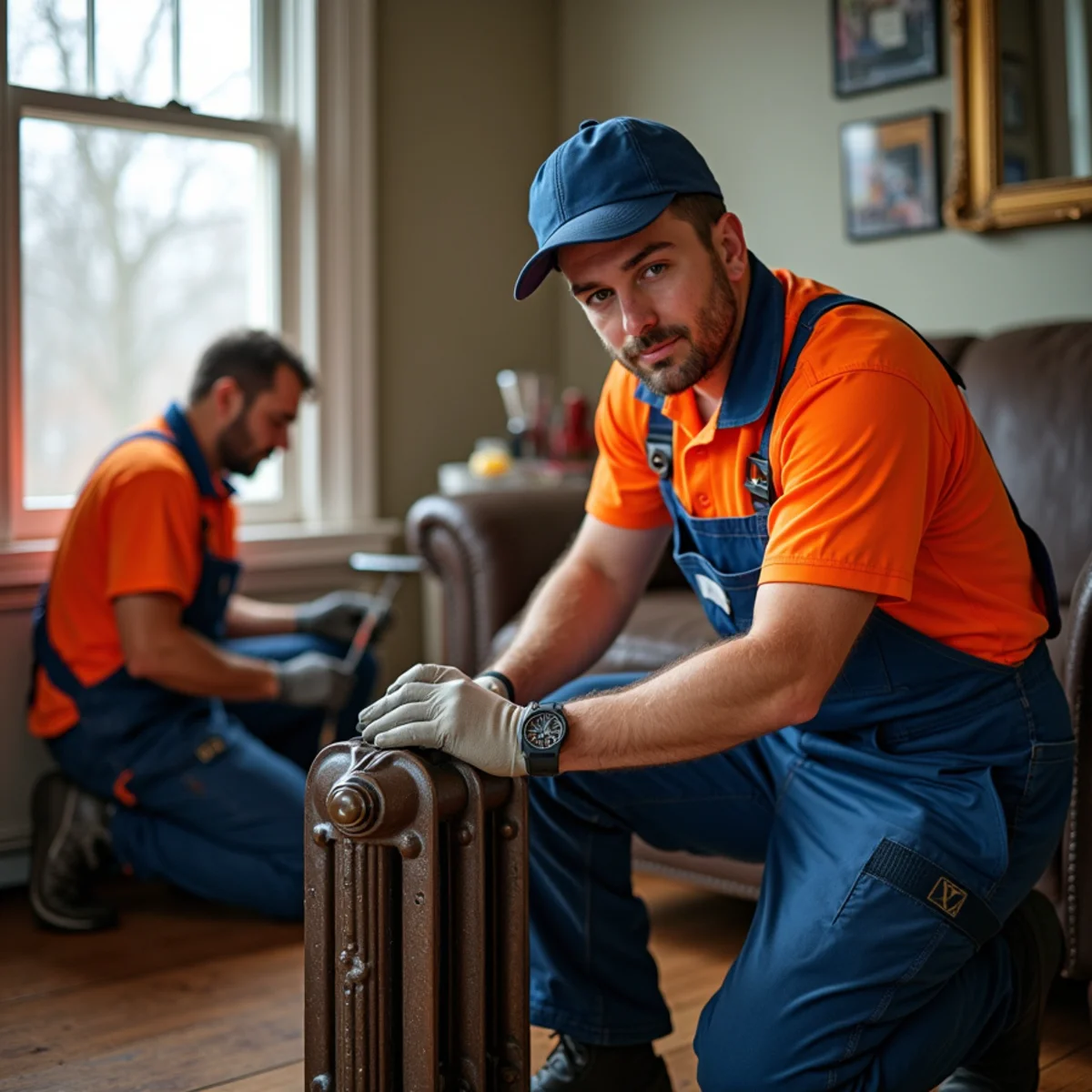
There is a reason so many people love radiator heat: it is quiet, even, and gentle in a way forced air never quite matches. But the cast-iron radiators warming Pittsburgh’s old homes are fed by boilers that eventually age out. When problems start, the question is whether to repair the system you have or upgrade the heat source.
Common radiator-system problems
- Cold radiators while others are hot — often trapped air or a circulation problem
- Banging or knocking pipes, especially on steam systems
- Leaks at valves, unions, or the radiators themselves
- Uneven heat floor to floor as the system falls out of balance
- A boiler that keeps needing repairs behind it all
Many of these are straightforward repairs — bleeding air, replacing a valve, fixing a circulator, correcting balance. A good technician can restore comfort to a radiator system without touching the boiler.
When the boiler is the real issue
If the radiators are fine but the boiler behind them is failing repeatedly, running inefficiently, or has a cracked block, the smart move is to replace the boiler while keeping the radiators. A modern high-efficiency boiler replacement sizes the new unit to your existing radiators, so you keep the exact comfort you love with far better fuel economy. You are upgrading the engine, not the whole system.
Should you ever abandon radiators?
Rarely, and usually only during a major renovation. Radiator heat is genuinely comfortable and the distribution is already in place — ripping it out to install ductwork is expensive and disruptive. More often, the right move is to keep the radiators, service or replace the boiler, and add cooling separately with ductless mini-splits if you want AC. That gives you the best of both: cozy radiator heat in winter, efficient cooling in summer, without gutting the house.
Keeping radiator heat healthy
Annual maintenance keeps a boiler-and-radiator system reliable — checking pressure, controls, the expansion tank, and safety devices before winter. We service these historic systems throughout Bellevue and Carnegie.
Not sure whether to repair or replace? Call (831) 461-3437 and we will give you a straight answer based on what your system actually needs.
Balancing an old radiator system room by room
The complaint we hear most about radiator heat isn't that it fails — it's that some rooms roast while others stay cool. That's a balancing problem, not a broken boiler, and it's very fixable. Hot water or steam naturally follows the path of least resistance, so without balancing, the rooms closest to the boiler overheat and the far rooms lag. A good technician tunes the system so every room lands where it should.
How we balance and restore an old radiator system:
- Bleeding trapped air from hot-water radiators so they fill completely
- Adjusting or replacing valves to even out flow across the house
- Checking and replacing steam vents that control how fast each radiator heats
- Confirming system pressure and the expansion tank are correct
- Verifying the circulator or steam production matches the distribution
When the radiators are sound but the boiler behind them is failing, we size a modern boiler replacement to the existing distribution — common in older homes around Carnegie.
One thing radiator owners should resist is boxing in their radiators for looks. A radiator heats largely by convection, drawing cool air across its fins, and an enclosure or a couch pushed against it chokes that airflow and leaves the room cool. If the look bothers you, there are vented radiator covers designed to preserve airflow — but a fully closed cabinet turns an efficient radiator into a weak one.
| Issue | Usual fix | Repair or replace? |
|---|---|---|
| Cold upper radiators | Bleed air / balance | Repair |
| Banging steam pipes | Replace vents / re-pitch | Repair |
| Leaking valve or union | Replace the fitting | Repair |
| Cracked boiler block | New boiler | Replace boiler |
| Recurring failures + high bills | High-efficiency boiler | Replace boiler |
Keep the radiators, upgrade the engine
The mistake homeowners fear — ripping out radiators for ductwork — is almost never the right move. Radiator heat is genuinely comfortable and the distribution is already in place; the part that wears out is the boiler behind it. A modern high-efficiency boiler replacement is sized to your existing radiators, so you keep the even, quiet warmth and simply gain efficiency. If you also want cooling, add ductless separately. That combination — historic comfort in winter, efficient cooling in summer — beats gutting a home in Carnegie or Bellevue.
Frequently asked questions
Need a Pittsburgh HVAC pro?
Same-day service · 24/7 emergencies · honest pricing