
Cost & Planning
Is Duct Sealing Worth It? How Leaky Ducts Quietly Waste Money
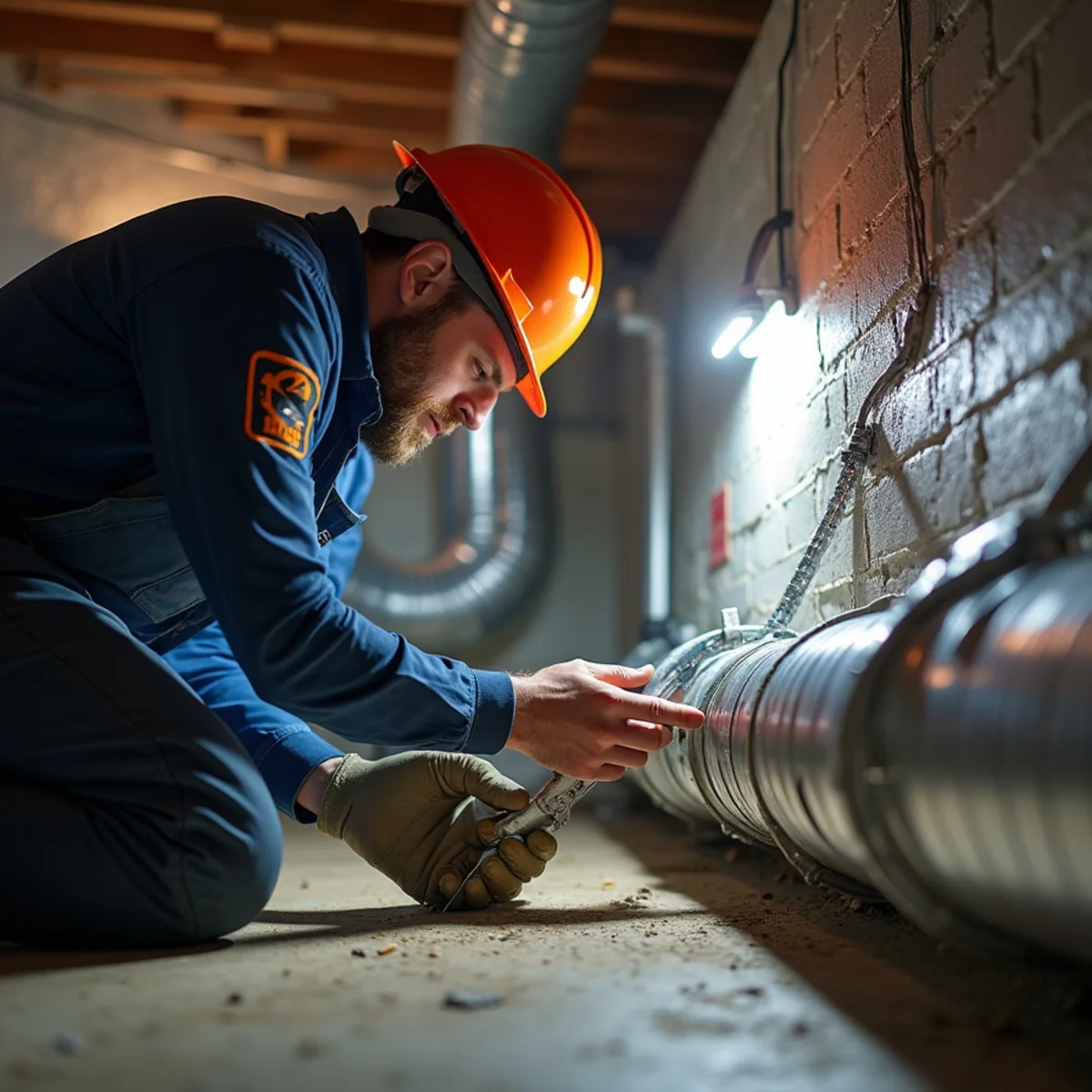
Duct sealing is one of those upgrades that sounds boring and turns out to matter more than almost anything else you can do short of replacing equipment. Industry studies routinely find that typical duct systems lose 20–30% of the air moving through them to leaks — air you paid good money to heat or cool, escaping into your basement, attic, and walls before it ever reaches a room. So is sealing it worth it? For most older Pittsburgh homes, yes. Here is how to tell.
What leaky ducts actually cost you
When a quarter of your conditioned air leaks out, your furnace and AC run longer to make up the difference, which shows up as higher bills every month. But it is not just money — leaks pull dust and unconditioned air into the system, leave far rooms cold, and make the whole house harder to keep comfortable. You are essentially paying to heat your basement while the bedroom at the end of the hall stays cold.
Signs your ducts leak: rooms that never keep up, high bills for the comfort you get, visible gaps or disconnected sections in the basement, and excess dust that keeps coming back.
Where ducts leak
Duct leaks hide at predictable spots: the joints between sections, the connections at the furnace or air handler cabinet, boots where ducts meet floors and ceilings, and — in older Pittsburgh homes especially — sections that were added onto or reconnected over the decades and never sealed properly. The classic mistake is cloth "duct tape," which dries out and falls off; proper sealing uses mastic and metal-backed tape rated for the job.
When duct sealing is worth it
Sealing pays off fastest when you have uneven rooms, high bills, or a duct system running through an unconditioned basement or attic — which is most of this region. It is also the smart first move before you replace a furnace or AC: new equipment only delivers its rated efficiency if the ducts can actually carry the air, so sealing protects that investment. We handle it as part of our ductwork services, often alongside adding return air or correcting duct sizing.
| Problem | Cause | After sealing |
|---|---|---|
| High energy bills | 20–30% of air lost to leaks | Less runtime, lower bills |
| Uneven rooms | Air lost before it arrives | More even temperatures |
| Excess dust | Return leaks pull in debris | Cleaner air |
| New system underperforms | Ducts cannot carry the air | Rated efficiency delivered |
Sealing vs. replacing ducts
Sealing is not the same as replacing. Most homes just need their existing ducts sealed and a few problem sections repaired — a targeted, affordable job. Full duct replacement is only warranted when ducts are badly undersized, damaged, or so poorly designed that sealing cannot fix the airflow. We assess your system and recommend the least invasive fix that actually solves the problem, not the biggest one.
The bottom line
For most Pittsburgh homes with ducts in the basement or attic, sealing is one of the best-value HVAC upgrades there is — lower bills, more even comfort, and a longer, better-performing system. Call (831) 461-3437 and we will assess where your ducts are losing air.
Frequently asked questions
Need a Pittsburgh HVAC pro?
Same-day service · 24/7 emergencies · honest pricing