
Air Quality
Why Is My House So Dusty? The HVAC Causes Most People Miss
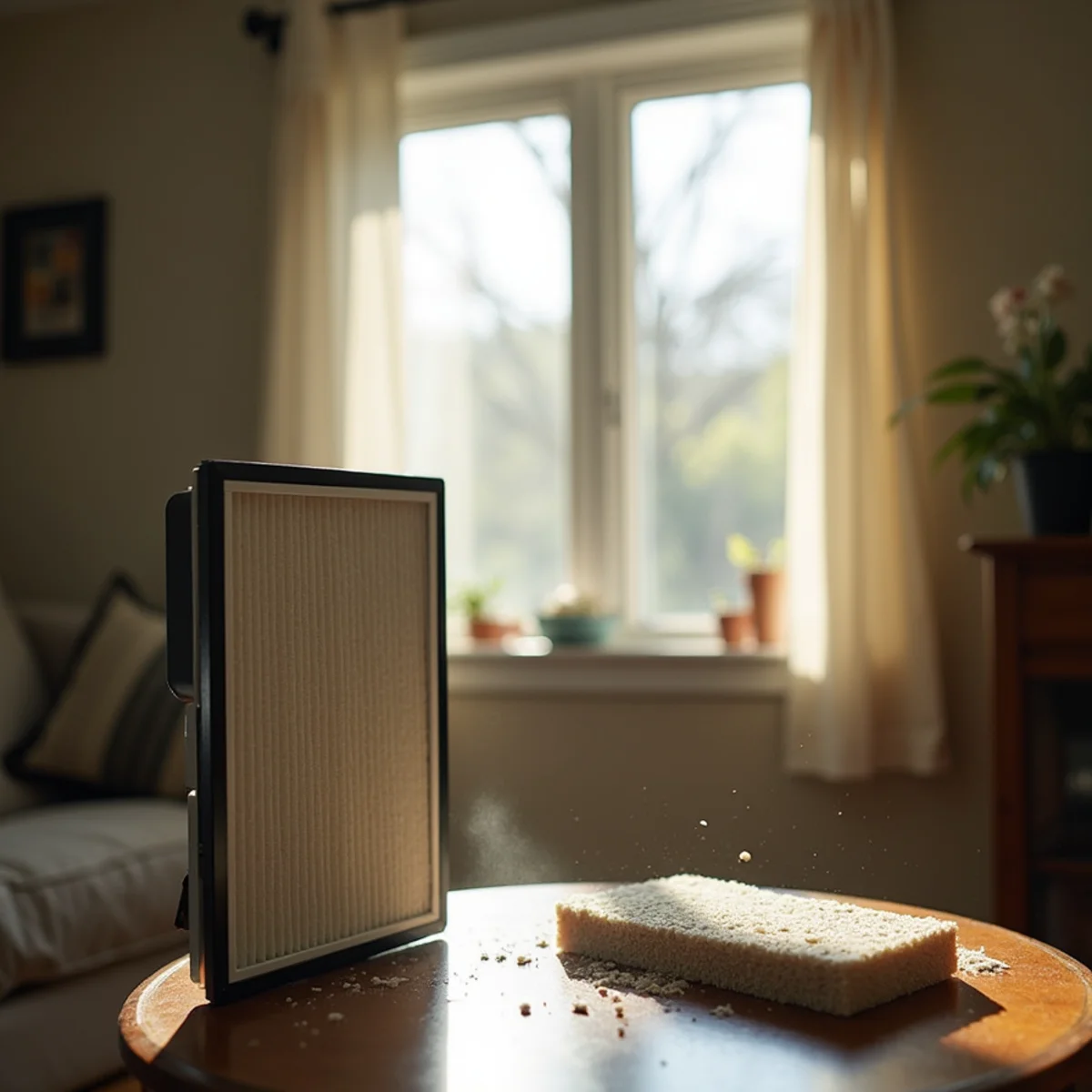
If you dust the shelves on Saturday and they are gray again by Wednesday, the problem usually is not your cleaning — it is your HVAC system moving dust through the house faster than you can wipe it up. In most Pittsburgh homes, persistent dust traces back to three fixable things: weak filtration, leaky ductwork, and humidity that is out of balance. Here is how to tell which one you are fighting.
Your filter is the first suspect — and the most common
The cheap fiberglass filter that came with your furnace is designed to protect the equipment, not clean your air, and it lets most fine dust pass straight through. A pleated media filter in the MERV 8–13 range captures far more of the particles you actually see settling on furniture — without choking airflow, which a too-restrictive filter will do. If you cannot remember the last time you changed yours, that is almost certainly part of the problem. Changing the filter on schedule is the cheapest fix on this list.
Leaky ductwork pulls dust in from the dirtiest parts of your house
Here is the part most homeowners never think about: the return side of your duct system is under suction, and if it has gaps — at joints, at the furnace cabinet, or where ducts run through the basement or attic — it pulls in dust, insulation fibers, and debris from those unconditioned spaces and blows it into your living rooms. In older Pittsburgh homes with ducts added onto over decades, this is extremely common. Sealing those leaks with our ductwork services cuts the dust at its source and lowers your bills at the same time, because you stop conditioning air that leaks away.
A quick tell: if the dust collects fastest right after the system kicks on, unsealed return ducts pulling from a dusty basement or attic are a prime suspect.
Dry winter air keeps dust airborne
Dry indoor air — and Pittsburgh winters are very dry inside — keeps fine dust and dander suspended and floating instead of settling where you can capture it, and it builds the static that makes dust cling to surfaces. Balanced humidity, around 35–45% in winter, helps particles settle and stay put. A whole-home humidifier tied into your furnace is the durable fix; we compare the humidifier options in a separate guide.
When better filtration is genuinely worth it
If someone in the house has allergies or asthma, standard filtration may not be enough. A high-MERV media cabinet or a HEPA-style bypass system captures the fine particles that trigger symptoms, and UV or air purification can address biological growth on the coil. The key is matching the filtration level to your system so it does not starve airflow — which is exactly the assessment we do before recommending anything.
| Source | Sign | Fix |
|---|---|---|
| Weak or old filter | Dust returns days after cleaning | Pleated MERV 8–13 filter |
| Leaky return ducts | Dust worst after the system starts | Seal and repair ducts |
| Low humidity | Static and floating dust in winter | Whole-home humidifier |
| Fine allergens | Allergy symptoms indoors | Media or HEPA filtration |
The bottom line for Pittsburgh homes
Persistent dust is almost always an HVAC problem, not a housekeeping one. Start with a fresh, properly rated filter, then look at duct sealing and humidity if it persists. If you are tired of fighting it, we can assess your filtration, ductwork, and humidity in one visit and tell you which fix will make the difference. Call (831) 461-3437 or book indoor air quality service.
Frequently asked questions
Need a Pittsburgh HVAC pro?
Same-day service · 24/7 emergencies · honest pricing