
Air Quality
Whole-House Humidifier vs. Portable: What Works for Pittsburgh Winters
By January, a lot of Pittsburgh homes feel like a desert inside — static shocks off every doorknob, dry skin and scratchy throats, and hardwood floors and trim that visibly crack and gap. That is not bad luck; it is physics. Cold outdoor air holds very little moisture, and heating it drives indoor humidity down even further. The fix is adding controlled moisture back, and the real question is whether a portable unit or a whole-house humidifier is the right tool.
Why Pittsburgh winters dry your home out
When outdoor air near freezing is warmed to living temperature, its relative humidity plummets — often into the teens or low 20s indoors, well below the 35–45% range that feels comfortable and keeps wood stable. That dryness is what causes the static, the cracking trim, the dry sinuses, and even worse dust, since fine dust stays airborne longer in dry air. More humidity is not a luxury here; it is comfort and home protection.
Portable humidifiers: fine for one room, not a house
A portable humidifier can take the edge off in a single bedroom, and for one room it is a reasonable, cheap start. The downsides show up when you try to humidify a whole house: you are refilling tanks constantly, running several units, cleaning them to prevent mold and mineral buildup, and still never reaching the far rooms. They treat one space; they do not fix the house.
Whole-house humidifiers: set it and forget it
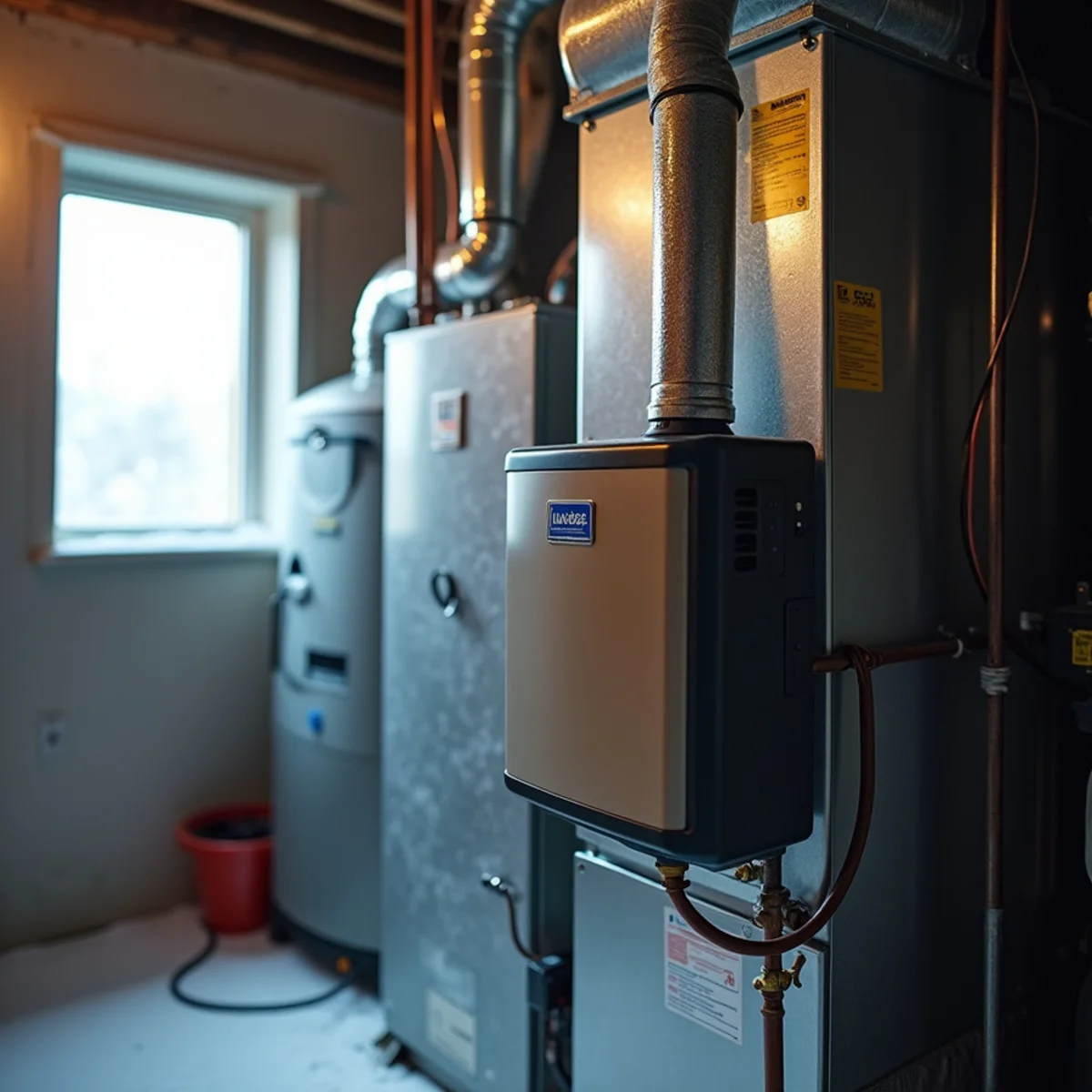
A whole-house humidifier installs directly onto your forced-air furnace and adds moisture to the air as it is distributed, so every room served by the ductwork benefits. It draws water from your plumbing — no tanks to refill — and a humidistat holds the level you set automatically, easing off as outdoor conditions change. For a home with cracking woodwork or a family fighting dry winter air, it is the durable answer, and we size and install it as part of our indoor air quality service.
Set a whole-house humidifier around 35–40% in winter, and back it off if you see condensation forming on the inside of windows — that means the air is holding more moisture than the windows can handle.
| Factor | Portable | Whole-house |
|---|---|---|
| Coverage | One room | Entire home via ducts |
| Refilling | Constant tank fills | Plumbed — none |
| Control | Manual dial | Automatic humidistat |
| Maintenance | Frequent cleaning | Annual pad/service |
| Best for | A single bedroom | Whole-home comfort |
What about summer — the opposite problem
Worth noting: Pittsburgh flips to the other extreme in summer, when the air is too humid and sticky. That is a job for right-sized air conditioning or dedicated dehumidification, which we cover in our guide to Pittsburgh humidity. A good indoor-air setup manages both ends of the year.
The bottom line
For a single room, a portable is a fine stopgap. For a whole house — and especially to protect hardwood and trim — a furnace-mounted whole-house humidifier is the fix that actually holds the right level without daily effort. Call (831) 461-3437 and we will assess your home and size one correctly.
Frequently asked questions
Need a Pittsburgh HVAC pro?
Same-day service · 24/7 emergencies · honest pricing